
Pantaprazole Omeprazole Lansoprazol Esomeprazole

Proton Pump Inhibitors (PPIs): A Comprehensive Overview
Introduction
Proton Pump Inhibitors (PPIs) are a class of medications that reduce the production of stomach acid. Widely prescribed across the globe, PPIs are among the most effective treatments for acid-related gastrointestinal disorders. Their introduction revolutionized the management of conditions like peptic ulcers, gastroesophageal reflux disease (GERD), and Zollinger-Ellison syndrome.
Mechanism of Action
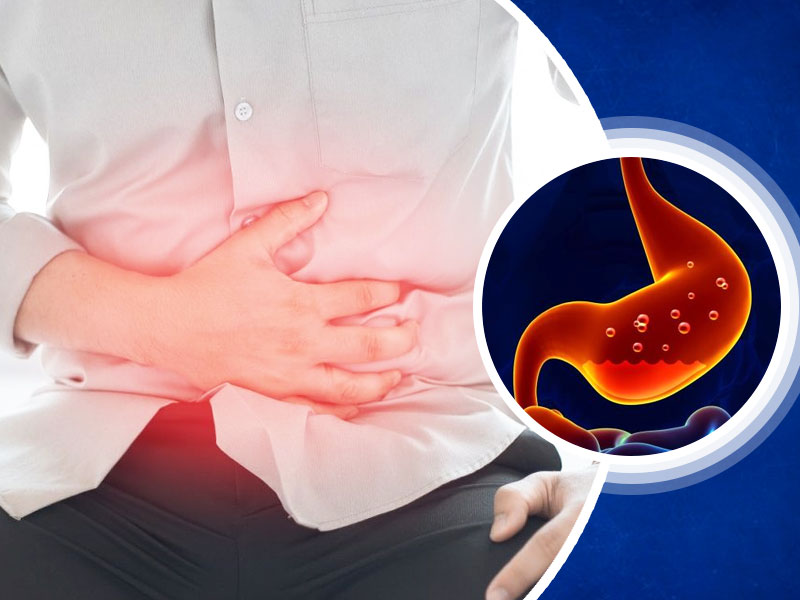
PPIs work by irreversibly inhibiting the hydrogen-potassium ATPase enzyme system (also called the proton pump) located on the parietal cells of the stomach lining. This enzyme is responsible for secreting hydrochloric acid into the gastric lumen. By blocking this pump, PPIs effectively suppress acid production, allowing healing of acid-related injuries and relief from symptoms.
Commonly Used PPIs
- Omeprazole
- Esomeprazole
- Pantoprazole
- Rabeprazole
- Lansoprazole
- Dexlansoprazole
Each PPI has similar efficacy, but differences in metabolism, duration of action, and drug interactions may influence the choice.
Indications
- Gastroesophageal Reflux Disease (GERD)
- Peptic Ulcer Disease (PUD)
- Helicobacter pylori eradication (as part of combination therapy)
- Zollinger-Ellison syndrome
- NSAID-induced gastropathy
- Stress ulcer prophylaxis in high-risk ICU patients
Dosage and Administration
PPIs are usually taken once daily, ideally 30–60 minutes before the first meal of the day to maximize efficacy. In severe cases, a twice-daily dosing may be required. They are available in both oral and intravenous formulations.
I.V. and I.M Dosages:
Treating physician can decide the route of administration. For slower absorption when physicians finds it suited may advise for intra-muscular administration instead of intravenous administration.
Adverse Effects
Although PPIs are generally safe, long-term use has been associated with several side effects and complications:
- Headache, nausea, diarrhea, or constipation (common but mild)
- Vitamin B12 deficiency
- Hypomagnesemia
- Increased risk of bone fractures (with long-term use)
- Increased susceptibility to gastrointestinal infections like Clostridium difficile
- Potential kidney disease or interstitial nephritis
- Possible dementia association (evidence not conclusive)
Drug Interactions
- Clopidogrel: Omeprazole and esomeprazole may reduce the antiplatelet effect.
- Ketoconazole and itraconazole: Reduced absorption due to higher gastric pH.
- Digoxin: Risk of increased serum levels.
PPI Overuse and Deprescribing
There is growing concern over the overuse and inappropriate long-term continuation of PPIs without proper indication. Many patients continue therapy beyond the recommended duration, increasing the risk of complications.
Deprescribing strategies include:
- Step-down therapy (switch to H2 blockers)
- On-demand use
- Gradual dose reduction with patient education
Conclusion
Proton Pump Inhibitors are powerful and highly effective medications for managing acid-related disorders. However, like any drug, their use must be guided by clear indications, appropriate dosing, and consideration of potential long-term risks. Rational use, periodic review, and awareness of side effects can help ensure PPIs provide maximum benefit with minimal harm.
l